Description
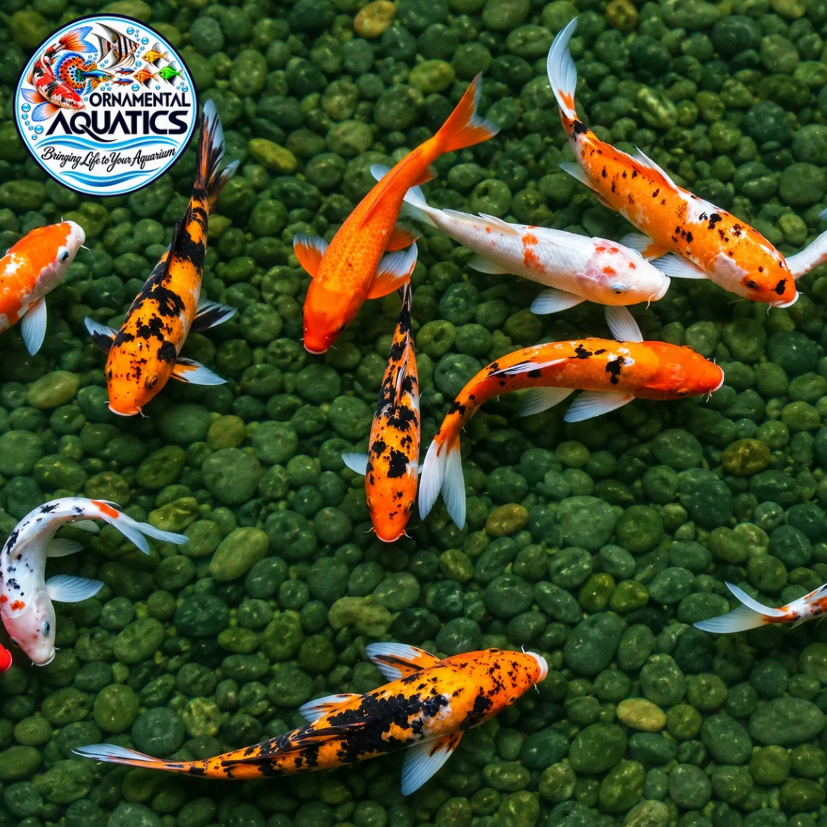
Scientific Name: Cyprinus rubrofuscus (Koi Carp)
Koi are beautiful, colourful freshwater pond fish, admired for their vibrant patterns, graceful swimming and friendly personalities. They can grow surprisingly large, reaching up to 60–90 cm (2–3 feet), and with proper care can live for several decades. Koi require spacious outdoor ponds, excellent filtration and stable water conditions to thrive.
Care Requirements
-
Water Type: Freshwater
-
Pond Size: 3,000–4,000+ litres for a small group
-
Pond Depth: 1–1.5 metres
-
Adult Size: 60–90 cm
-
Lifespan: Several decades with proper care
-
Filtration: Strong mechanical, biological and UV filtration
-
Keeping: Best kept in groups
Ideal Pond Conditions
Koi require a spacious, well-maintained outdoor pond with excellent water quality and plenty of oxygen.
-
A pond of at least 3,000–4,000 litres is recommended for a small group, allowing approximately 950 litres per adult koi.
-
A pond depth of 1–1.5 metres helps protect against temperature fluctuations and predators.
-
Use strong mechanical and biological filtration, supported by UV filtration.
-
Aim for filtration that circulates the pond’s total water volume every 1–2 hours.
-
Provide additional oxygen through air stones, fountains or waterfalls.
-
Include shaded areas or deeper sections to help prevent overheating and sunburn.
-
Secure the pond against predators such as herons, cats and other animals.
Water Quality & Maintenance
Maintaining excellent water quality is essential for keeping koi healthy.
-
Ammonia: 0 mg/L
-
Nitrite: 0 mg/L
-
Nitrate: Ideally below 20 mg/L
-
pH: 6.5–8.5
-
Maintain adequate carbonate hardness (KH) to help prevent sudden pH fluctuations.
-
Perform regular partial water changes of approximately 10–25% every 2–4 weeks.
-
Remove leaves, debris and uneaten food regularly.
-
Test water parameters using a reliable liquid test kit.
-
Check pumps, filters and aeration equipment regularly to ensure everything is working correctly.
Feeding
Koi are omnivores and benefit from a varied, nutritious diet.
-
Offer high-quality koi pellets as their staple diet.
-
Supplement occasionally with vegetables, fruit and suitable frozen or live foods.
-
Feed once or twice daily when water temperatures are warm.
-
Reduce feeding as temperatures begin to drop.
-
Stop feeding during very cold conditions when their digestion slows significantly.
-
Only offer what they can consume within a few minutes and remove any uneaten food.
Adjusting their feeding routine according to seasonal temperatures is important for their digestive health.
Health & Quarantine
Koi should be monitored regularly for any changes in behaviour or appearance.
-
Quarantine new fish for 2–3 weeks before introducing them to the main pond.
-
Watch for signs of illness, including lethargy, clamped fins, ulcers and unusual swelling.
-
Isolate any fish showing signs of illness to help prevent potential disease from spreading.
-
Maintain excellent water quality, as poor water conditions can contribute to stress and disease.
Regular observation and good pond maintenance are key to keeping your koi healthy and thriving.
*Please Note – Live Fish Variations*
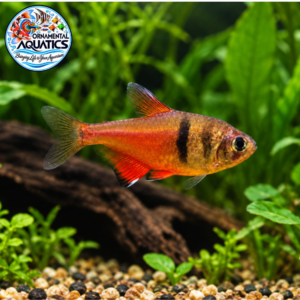
Fish may naturally vary in colour, markings, size, age and sex. Product photographs are representative of the species and do not guarantee an exact match. Unless individual selection is specifically offered, fish are selected by Ornamental Aquatics based on availability, health and species-specific requirements. Where applicable, we aim to provide suitable male-to-female ratios and group compositions, although exact ratios cannot be guaranteed for species that cannot be reliably sexed.
By purchasing, you acknowledge and accept these natural variations. All purchases remain subject to our Live Fish Terms & Conditions and applicable consumer-protection legislation.
Reviews
There are no reviews yet.